All Training

OSHA #3365 Occupational Safety and Health Hazards in the Healthcare Industry
This course provides an overview of the OSHA standards that help protect employees in healthcare settings.

Online OSHA 30-Hour for Construction
This flexible online course covers OSHA requirements, construction safety, and the hazards most likely to cause worker injuries or property damage.
Online OSHA 10-Hour for General Industry
This flexible online training covers OSHA requirements, employee rights, employer responsibilities, and the most common hazards found in general industry.
Online OSHA 10-Hour for Construction Industry
This flexible online training covers OSHA requirements, employee rights, employer responsibilities, and the most common hazards found on construction sites.

OSHA #2255 Principles of Ergonomics
This course covers how workplace conditions, equipment design, and job tasks can contribute to musculoskeletal disorders and other injuries.
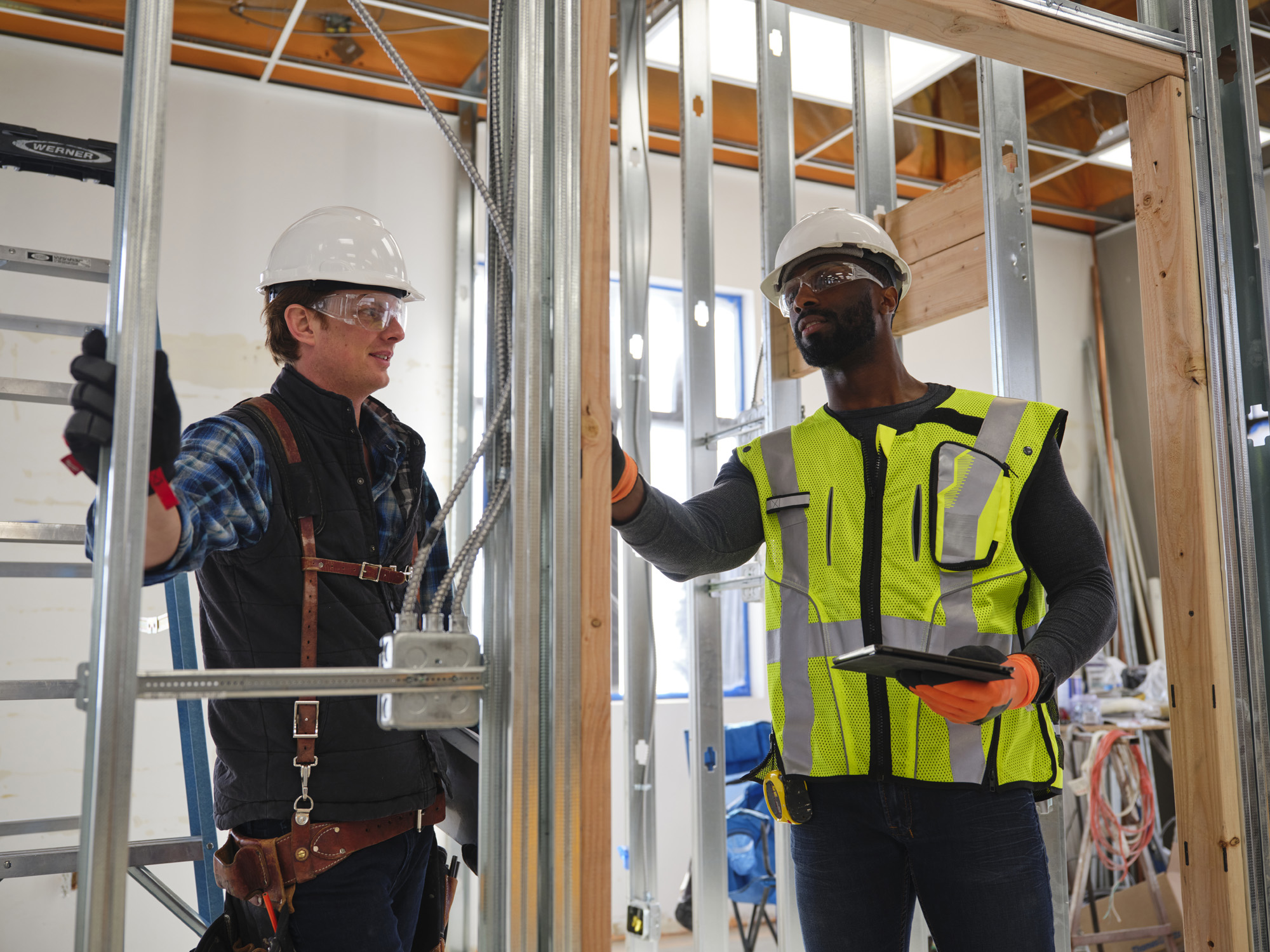
OSHA #502 Update for Construction Industry Outreach Trainers
This required update course reviews changes to OSHA construction standards, regulations, and Outreach Program policies so you can continue delivering OSHA 10-Hour and 30-Hour Construction Outreach training.

OSHA #503 Update for General Industry Outreach Trainers
This required update course reviews changes to OSHA general industry standards, regulations, and Outreach Training Program policies so you can continue teaching OSHA 10-Hour and 30-Hour General Industry Outreach courses.
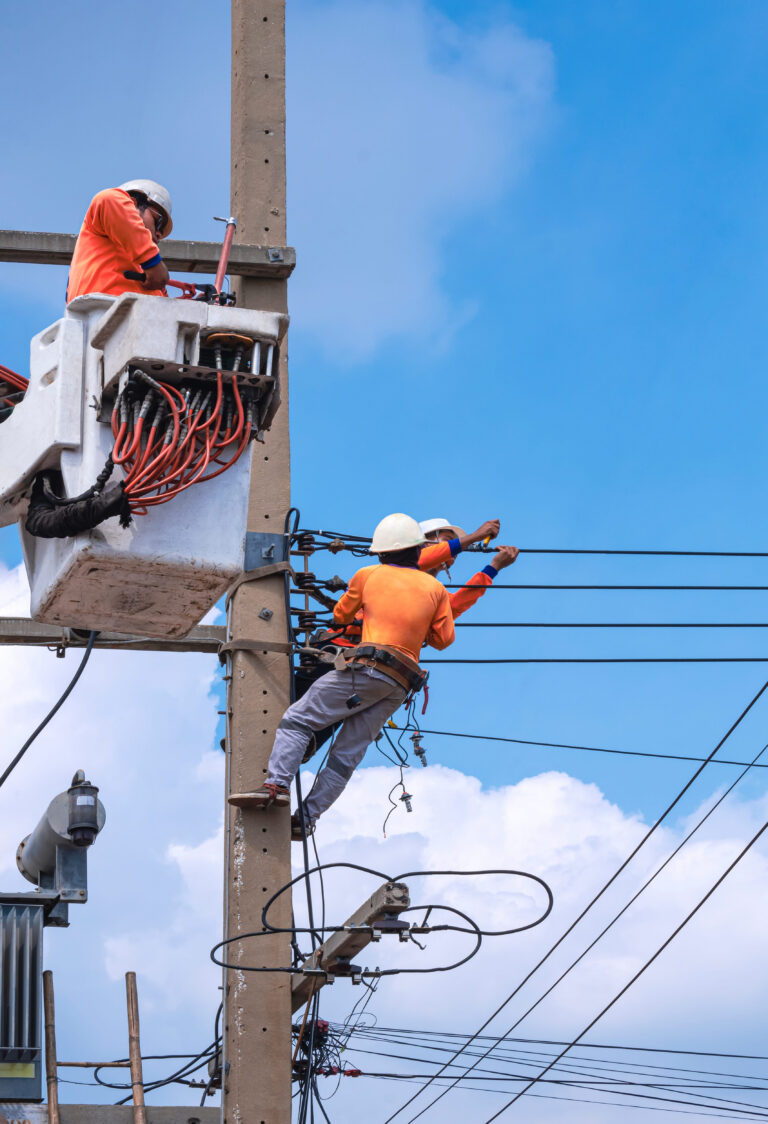
NFPA 70E Arc Flash Electrical Safety
This course covers the requirements of the NFPA 70E® Standard for Electrical Safety in the Workplace® and helps employees recognize electrical hazards, assess risks, and protect themselves from arc flash and shock hazards.

MEWP Train the Trainer (IVES Certification)
Become an IVES Certified Trainer and learn how to train, evaluate, and qualify mobile elevating work platform (MEWP) operators at your organization.

Machine Guarding
This course explains OSHA’s Machinery and Machine Guarding requirements (29 CFR 1910.211–219) and shows you how to identify hazards, select appropriate safeguards, and reduce the risk of employee exposure to moving machine parts.

Lockout/Tagout
This course covers the requirements of OSHA’s Lockout/Tagout standard (29 CFR 1910.147) and gives you the knowledge to develop, implement, or improve an effective energy control program.

Job Safety Analysis (JSA)
This course teaches participants how to identify workplace hazards, evaluate risks, and develop effective controls before incidents occur.
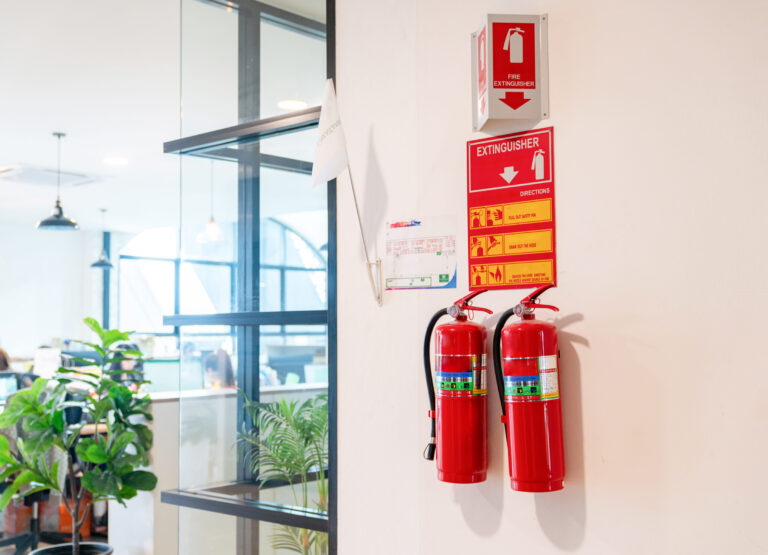
Introduction to Emergency Planning
This course helps organizations develop, maintain, and improve emergency action and emergency response plans that meet OSHA requirements.

Incident Investigation
This course teaches participants how to identify the root causes of workplace incidents and take corrective action to help prevent them from happening again.

IATA Dangerous Goods Air Transportation
This course prepares hazmat employees to safely ship dangerous goods by air while meeting International Air Transport Association (IATA), International Civil Aviation Organization (ICAO), and U.S. Department of Transportation (DOT) requirements.
Online HAZWOPER 8 Hour Annual Refresher
This flexible online course reviews key HAZWOPER concepts, reinforces safe work practices, and helps participants stay current with regulatory requirements.
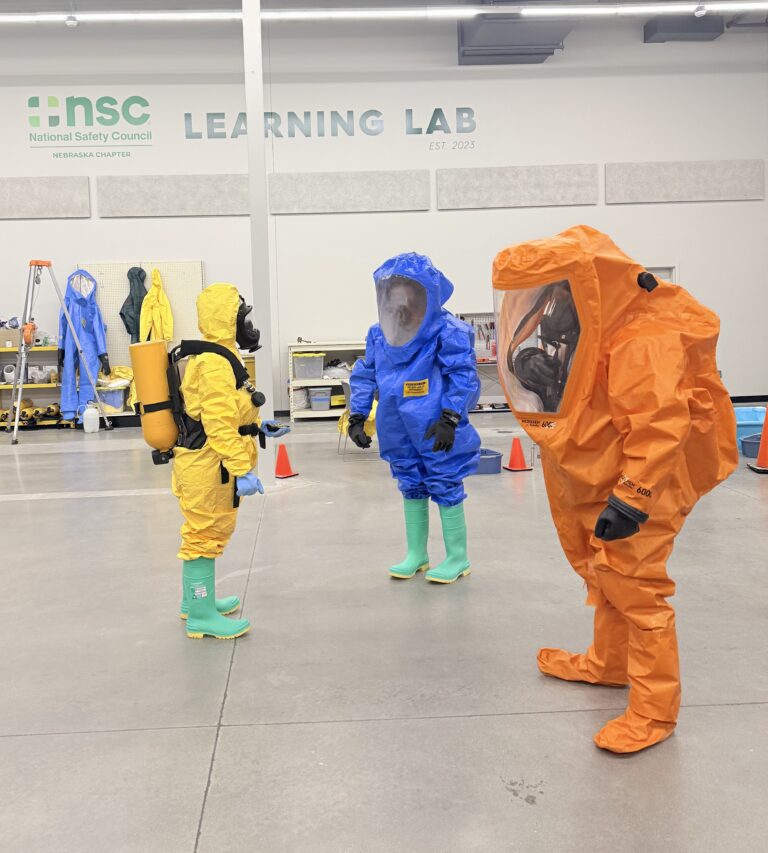
HAZWOPER 24 Hour
This course prepares employees to safely respond to hazardous materials incidents and meet OSHA training requirements under 29 CFR 1910.120.
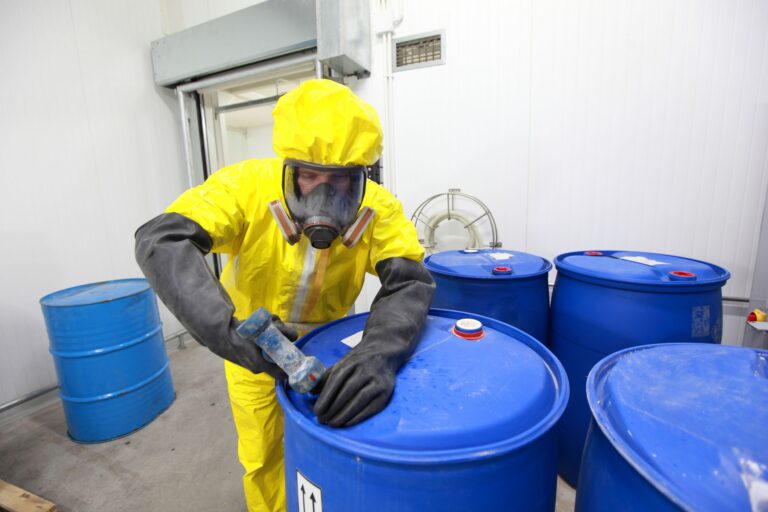
HAZWOPER 40 Hour
This course provides the training required for employees who work at hazardous waste sites, perform site investigations, or support hazardous material cleanup activities.

HAZWOPER 8 Hour for Supervisors
This course prepares supervisors to manage safety responsibilities at hazardous waste sites and meet OSHA requirements under 29 CFR 1910.120.

DOT Hazardous Materials Transportation Refresher
DOT requires hazardous materials employees to complete refresher training every three years to stay current on regulations and safe handling practices.